
Handling Difficult Calls in Philippine Call Centers: Real Strategies That Work

8 Minute Read
05/07/2026
Key Takeaways
- Understand the Emotion: Customers rarely direct their frustration at you personally; understanding the psychology behind their stress helps you remain calm and professional.
- Apply the HEAT Method: Using a structured approach—Hear, Empathize, Apologize, Take Action—transforms tense interactions into positive, solution-focused conversations.
- Unlock Career Growth: Mastering difficult calls builds emotional intelligence and complex problem-solving skills, putting you on a fast track for leadership roles within the CX industry.
Starting a career in the customer experience (CX) industry is an exciting milestone. For many fresh graduates and career shifters in the Philippines, working as a customer service representative opens doors to stable income and global opportunities. However, one common concern often holds applicants back: the fear of handling difficult calls.
It is completely normal to feel nervous about speaking with frustrated customers. But what if you viewed these challenging moments as opportunities to shine? Navigating a tough conversation is a learnable skill. It is about equipping yourself with the right strategies to turn a negative experience into a positive outcome.
As a company with plenty of customer service representative roles, TTEC knows the true value that our agents bring to our business and our community. We believe in empowering your career journey by giving you the tools to succeed. This guide provides real, actionable strategies to help you handle difficult calls with confidence, build your resilience, and accelerate your professional growth.
The Psychology of a Difficult Call
Stress and pressure are among the primary challenges for many call center agents globally. Before you can resolve a tough and stressful situation, you need to understand why it happens.
When a customer raises their voice or expresses frustration, their reaction is almost never about you. Understanding the psychology behind customer behavior is the first step toward mastering these interactions.
Why Customers Get Frustrated
A study revealed that consumers get frustrated due to three causes: broken promises, unfair treatment and expressed hostility.
In a contact center, customers usually call because an essential product or service is not working as expected. They might be dealing with an unexpected billing charge, a frozen bank account, or a sudden internet outage. These issues disrupt their lives, causing feelings of anxiety and a loss of control.
When people feel a loss of control, their stress levels spike. They want immediate reassurance that someone is taking their problem seriously. Recognizing this emotional state helps you detach personally from the conversation. You are not the target of their anger; you are the solution they desperately need.
The Power of Emotional Intelligence
Emotional intelligence is your ability to recognize and manage both your emotions and the emotions of others. By approaching a stressed customer with emotional intelligence, you create a safe space for them to vent. The essence of customer service excellence lies in connection; it is the bridge built between understanding a customer's needs and delivering satisfying solutions.
 Turn everyday challenges into career momentum, working with a supportive team and company. Explore customer service representative roles at TTEC Philippines today.
The HEAT Method: Your Blueprint for Success
When emotions run high, having a structured framework keeps the conversation on track. The HEAT method is an industry-standard technique used globally to de-escalate difficult calls. It stands for Hear, Empathize, Apologize, and Take Action.
Hear Them Out
The most important thing a frustrated customer needs is to feel heard. Do not interrupt them while they are explaining their issue. Stay calm and practice active listening by giving them your full attention.
Take brief notes on the key details so you do not have to ask them to repeat themselves later. Letting them speak completely often diffuses the initial wave of anger.
Empathize Genuinely
Empathy is the heart of effective customer service. Once the customer finishes speaking, validate their feelings. Use phrases like, "I completely understand why you are frustrated by this unexpected charge," or "I can see how this service interruption has affected your day."
Genuine empathy shows the customer that you are on their side, transforming the interaction from a conflict into a collaboration.
Apologize Sincerely
Even if the issue is not your personal fault, you represent the company. A sincere apology goes a long way in rebuilding trust. Keep it professional and direct. Say something like, "I am so sorry for the inconvenience this has caused you."
A simple, authentic apology validates the customer's experience and paves the way for a resolution.
Take Action Quickly
Now that you have diffused the emotion, it is time to fix the problem. Clearly explain the steps you are going to take to resolve their issue. If you need to place them on hold to investigate, tell them exactly why and how long it will take. Taking decisive action reassures the customer that their problem is finally in capable hands.
Real-World Examples of De-Escalation
Applying the HEAT method sounds simple in theory, but how does it look in practice? Let us explore two common scenarios you might encounter in a Philippine call center and how to navigate them successfully.
Scenario 1: The Unexpected Billing Charge
A customer calls in angry because their monthly subscription fee is higher than expected. They threaten to cancel their account immediately.
Your Response:
"I completely understand your frustration regarding this sudden increase, and I am sorry for the confusion it caused. Let us look at your account together right now. I see here that a promotional discount expired this month. While I cannot reverse the expiration, I can immediately apply a new loyalty discount to bring your rate back down. Let me process that for you."
This response acknowledges their anger, explains the root cause clearly, and offers an immediate, helpful solution.
Scenario 2: The Major Service Outage
A customer calls regarding an internet outage in their area. They are upset because they work from home and are losing valuable time.
Your Response:
"I hear you, and I am so sorry that your connection is down right now. I know how critical internet access is, especially when you are trying to work. Our technical team is already working on the main line in your neighborhood. We expect the service to be restored within the next two hours. I will also send a text alert to your phone the moment it comes back online."
Here, you validate their specific situation (working from home), apologize for the disruption, and provide a clear timeline for the fix.
 Learn the strategies, build the confidence, and grow your future. Explore careers at TTEC Philippines now.
Research-Backed Tips for Maintaining Composure
Handling multiple difficult calls in a single shift requires mental stamina. Research in occupational psychology shows that building emotional resilience prevents burnout and keeps you performing at your best.
Practice Deep Breathing
When a customer raises their voice, your body's natural "fight or flight" response might activate, increasing your heart rate. Combat this by practicing deep, diaphragmatic breathing. Inhale slowly for four seconds, hold for two, and exhale for four. This simple technique lowers cortisol levels and keeps your mind clear and focused.
Master Emotional Detachment
Detachment does not mean you stop caring. It means you stop internalizing the customer's stress. Emotional detachment means letting go, and applying this approach at work can help you manage stress better. Remind yourself that the caller is frustrated with the situation, not with you as a person. Visualizing a protective shield around yourself during tough calls can help you maintain a professional distance while still providing empathetic support.
Lean on Your Supportive Team
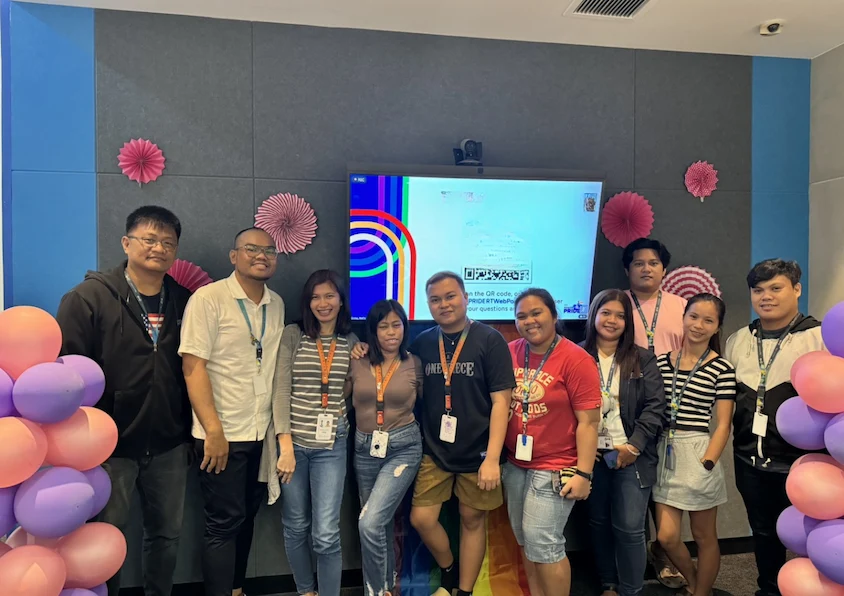
You are never alone on the production floor. TTEC prides itself on a highly supportive team culture. If a call becomes overwhelming, utilize the escalation procedures provided during training. Lean on your Subject Matter Experts (SMEs) and Team Leaders. Discussing challenging calls with your peers after your shift is a proven way to process stress and learn new handling techniques.
At TTEC, team members also have access to fitness and relaxation spaces where you can stay to release stress, along with on-site clinics for convenient healthcare support. Mental health programs are also available, ensuring employees have resources to manage stress, maintain balance, and prioritize wellness both inside and outside of work.
Join TTEC: A Global Leader in Customer & Employee Experience
TTEC, a customer experience innovator, operates across 6 continents in countries such as Greece, Poland, and India, and employs over 55,000 individuals fluent in 50 languages. Our commitment to excellence is evident in our award-winning culture, highlighted by our 2024 accolades like Top 10 Operations Teams, Silver Certification in MLT’s Black Equity Program, and recognition as one of the UK’s Best Workplaces.
With an employee satisfaction rating of 4.1 out of 5 on JobStreet, we pride ourselves on creating supportive and flexible work environments that enhance both employee and customer experiences. Find a variety of client-facing and business support roles within a company that values community connections.
Explore What's Possible at TTECHow Mastering Difficult Calls Accelerates Your CX Career
Choosing to lean into the challenge of difficult calls is one of the smartest professional moves you can make. Every tough interaction is a real-time lesson in conflict resolution, negotiation, and complex problem-solving.
Building Leadership Qualities
Leaders in the BPO industry are not just people who know the technical systems; they are people who can manage high-pressure situations gracefully. By consistently turning angry callers into satisfied customers, you prove that you have the emotional intelligence required for leadership. These skills make you a prime candidate for promotions into QA, training, or Team Leader roles.
Accessing Global Opportunities
The communication skills you develop in a Philippine call center are universally valued. Knowing how to navigate cultural nuances and de-escalate tension prepares you for global opportunities. Working with international customers across APAC, LATAM, NAMER, and EMEA broadens your professional horizon and significantly enhances your resume.
Empowering Your Career Journey with TTEC
At TTEC, we actively support your growth through comprehensive training and continuous mentorship. We offer clear and structured career paths with opportunities for growth through mentoring and skill development programs. Mastering difficult calls is a stepping stone to achieving your career milestones within our inclusive and innovative culture.
Start Building Your Skills Today
Handling difficult calls in BPO does not have to be a source of anxiety. With the right mindset, a structured approach like the HEAT method, and a commitment to emotional resilience, you can master these interactions.
Join a team that values diversity and is invested in your long-term success. Every challenge you face is an opportunity to learn, adapt, and grow into a top-performing CX professional. Embrace the journey, practice these strategies, and watch your career flourish.
Frequently Asked Questions
What should I do if a customer starts using abusive language?
If a customer becomes verbally abusive, maintain your professional tone and follow your company's specific guidelines. You can calmly state, "I want to help you, but I must ask that we keep this conversation professional." If the behavior continues, you are typically empowered to politely disconnect the call or escalate it to a supervisor.
How can I sound empathetic when reading from a required script?
To sound empathetic while using a script, focus on your vocal tone and pacing. Smile while you speak, pause naturally as you would in a normal conversation, and emphasize words of understanding. Personalizing the script by using the customer's name also makes the interaction feel much more genuine.
Will I get fired if I cannot resolve a difficult customer's issue?
No. Companies understand that some issues are beyond the scope of a single agent. What matters most is that you followed the correct procedures, applied empathy, and utilized all available resources. If you have done your best and documented the steps, escalating an unresolved issue is simply part of a healthy support process.
Join us and thrive
Your next opportunity starts here. Whether you're actively searching or simply exploring what’s next. our Talent Community connects you with opportunities that align with your goals.