
Licensed Healthcare Insurance Agent Salary: What Can You Expect?

5 Minute Read
09/08/2026
Key Takeaways
- There's no single salary that fits every role: Pay depends on location, experience, licensing, employer, and how compensation is structured—so treat any figure as a starting point, not a promise.
- BLS data offers helpful context: The U.S. Bureau of Labor Statistics reports a median annual wage of $62,280 for insurance sales agents (May 2025), though this covers a broader category than healthcare-specific roles.
- Total compensation matters more than base pay alone: Bonuses, incentives, benefits, training, and growth opportunities all shape the real value of an offer.
Salary estimates in this article are presented in USD and are drawn from a combination of TTEC listings and publicly available data at the time of writing. Refer to TTEC’s official job postings for the most accurate and up-to-date salary details.
So, how much can you earn as a licensed healthcare insurance agent? It's a smart question to ask, and the honest answer is: it depends. An insurance sales agent salary can vary widely based on where you work, your experience, your licensing, your employer, and whether the role includes bonuses, incentives, or commissions.
This guide gives you a clear, transparent look at what influences pay, how to read salary data. By the end, you'll be able to research opportunities with confidence and know exactly what to ask before you apply or accept.
What is the average salary for a licensed healthcare insurance agent?
There is no official salary figure for "licensed healthcare insurance agent" as a standalone job title. The closest reliable benchmark comes from the U.S. Bureau of Labor Statistics, which groups these roles under the broader category of insurance sales agents.
According to the BLS Occupational Outlook Handbook, the median annual wage for insurance sales agents was $62,280 in May 2025. This is equal to $29.94 per hour.
The median is the midpoint: half of workers earned more, and half earned less. It's just as important to understand the range. Per the same BLS 2025 data:
- The lowest 10% of insurance sales agents earned less than $37,330 ($17.95 per hour)
- The highest 10% earned more than $138,140 ($66.41 per hour)
That's a wide spread, and it tells you something valuable: a licensed insurance agent salary can look very different from one person to the next.
One caution as you research: this figure covers all insurance sales agents (SOC 41-3021), including those who sell life, property, casualty, and other products—not exclusively healthcare insurance roles.
So use it as helpful context, not a precise prediction for a specific healthcare insurance job. Compensation data for healthcare-focused roles is often grouped under these broader categories, so always confirm the specifics with the actual employer and job posting.
What factors affect a licensed healthcare insurance agent’s salary?
Several factors shape a licensed insurance agent's pay. Understanding them helps you evaluate opportunities more clearly and negotiate with confidence.
Location
Where you work can significantly influence pay. Salaries vary by:
- State and regional labor market
- City or metropolitan area
- Local demand for insurance professionals
- Cost of living
Keep in mind that a higher cost of living doesn't automatically mean higher pay. Always weigh compensation against local expenses when comparing opportunities in different areas.
Experience
Relevant experience often shapes both your qualifications and your earning potential. Backgrounds that tend to carry the most weight include:
- Insurance
- Healthcare
- Sales
- Customer service
- Account management
More experience doesn't guarantee a set salary bump, but it can strengthen your candidacy for higher-responsibility roles.
Licensing
Maintaining the appropriate insurance license is often a core qualification for licensed roles. It can open doors to specialized positions that a general customer service role might not offer. That said, holding a license doesn't automatically translate into a specific salary increase—it's one qualification among several.
Employer and Role Responsibilities
Two jobs with the same title can pay quite differently. Compensation often reflects:
- The specific responsibilities involved
- The customer base you serve
- The insurance products offered
- Performance and quality expectations
This is exactly why reading the full job description matters far more than the title alone.
Compensation Structure
Not every role pays the same way. Common structures include:
- Base salary or hourly pay – guaranteed compensation
- Performance incentives – tied to meeting goals
- Bonuses – awarded for hitting targets
- Commissions – used in some sales-focused roles
According to BLS, commissions are a common form of compensation for many insurance sales agents, especially experienced ones—but plenty of employed agents receive salary, salary plus bonus, or salary plus commission instead. The model varies by employer and role.
Does having an insurance license increase your earning potential?
A license is a meaningful investment in your career. From a career perspective, licensing can qualify you for specialized roles that require it. It also demonstrate your knowledge and can signal your commitment to the profession.
What licensing does not do is guarantee a particular salary. Compensation structures and licensing requirements vary by employer and state. Before you invest time and money, verify exactly which license or line of authority a specific role requires, and confirm current requirements with your state insurance regulator.
Salary vs. Total Compensation: What should you look at?
Focusing only on base pay is one of the most common mistakes candidates make. The real value of a role often lies in the complete package.
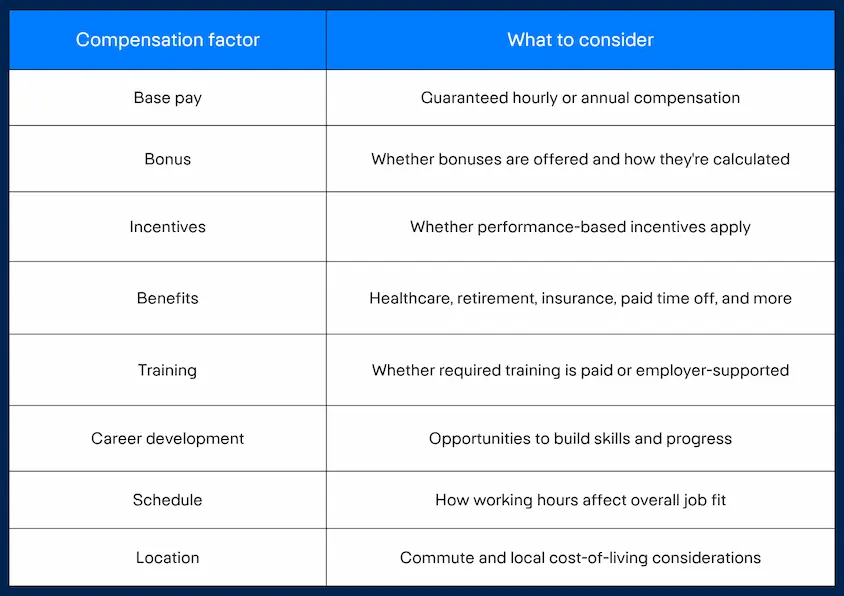
When you evaluate the full picture, a role with modest base pay but strong benefits, paid training, and clear advancement paths may offer more real value than a higher-paying job with fewer supports.
Start your Licensed Healthcare Insurance career
If you value clear growth paths, supportive training, and an inclusive, team-oriented culture, it's worth exploring healthcare insurance careers with TTEC. Their roles bring together customer service, communication, and insurance knowledge, with development opportunities designed to help early-career professionals and experienced candidates alike build something meaningful.
Join us and thrive
Your next opportunity starts here. Whether you're actively searching or simply exploring what’s next. our Talent Community connects you with opportunities that align with your goals.