
Dutch vs Greek Work Culture: What Surprises Most New Hires

6 Minute Read
01/27/2026
Key Takeaways
- Communication Styles Differ: Dutch directness meets Greek relational communication. Building personal connections is key to effective collaboration in Greece.
- Hierarchy and Flexibility: While Dutch workplaces often have flat structures, Greek culture may have a more defined hierarchy, balanced by a flexible, relationship-driven approach to rules.
- Work-Life Integration: Both cultures value life outside of work, but the Greek approach integrates social life more fluidly with professional life, emphasizing community and shared experiences.
Moving to a new country for a career opportunity is an incredible adventure. For Dutch professionals, the prospect of relocating from Netherlands to Greece for work offers a sunny climate and a vibrant lifestyle alongside professional growth.
As you prepare for one of the many exciting Dutch speaking jobs in Greece, understanding the local work culture is just as important as packing your bags. While both are European nations, the Dutch vs Greek work culture presents some fascinating differences.
We'll explore the nuances of the expat work culture in Greece, so you can feel confident and prepared from your very first day. Moving for one of the growing customer service careers in Greece is a fantastic step, and knowing what to expect will make your integration seamless and successful. Let’s dive into the key differences and similarities you’ll encounter.
Communication: Directness Meets Relational Harmony
One of the first things you’ll notice are the different communication styles. Understanding this is crucial for building strong relationships with your new colleagues.
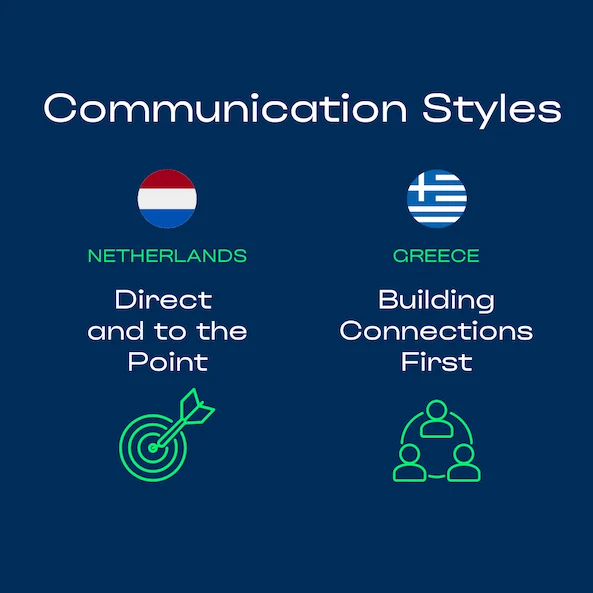
The Dutch Approach: Direct and to the Point
In the Netherlands, directness is a sign of honesty and efficiency. Feedback is given openly, meetings stick to a strict agenda, and the goal is to resolve issues with clarity. You are likely used to saying what you mean and getting straight to the point without much small talk. This is valued as a way to respect everyone’s time and keep business moving forward.
The Greek Approach: Building Connections First
When working in Greece as a Dutch professional, you’ll find that communication is more indirect and relationship-focused. Greeks place a high value on philotimo—a concept that loosely translates to a sense of honor, duty, and pride in doing the right thing. Building personal rapport is not just a pleasantry; it’s the foundation of trust and effective collaboration.
Before diving into business, your Greek colleagues will likely ask about your weekend, your family, or how you’re settling into Athens. Embrace this! It’s how connections are formed. When discussing sensitive topics, feedback might be softened to maintain harmony within the team.
 Turn your bilingual skills into a global opportunity. Discover Dutch and bilingual CSR roles at TTEC Greece and build a career while living in one of Europe’s most exciting destinations.
Hierarchy and Structure: Flat vs. Flexible
How you interact with managers and colleagues can also vary significantly between the two cultures.
The Dutch Model: Flat Hierarchies and Consensus
Dutch workplaces are famous for their flat structures. Everyone is encouraged to share their opinion, regardless of their title. Decisions are often made through consensus, which can sometimes slow things down but ensures everyone feels heard and valued. You probably call your boss by their first name and feel comfortable challenging ideas in a meeting.
The Greek Model: Respect for Position, Flexibility in Practice
The Greek work environment tends to be more hierarchical. There is a clear respect for seniority and management positions. Decisions are often made by those at the top. However, this structure is more fluid than it appears. The work culture differences Netherlands Greece show up in how rules are applied.
While a Dutch workplace might follow rules to the letter, Greeks often see rules as guidelines. Strong personal relationships can create flexibility. If a manager trusts you, they may give you more autonomy or bend a rule to help you out. This relationship-based system rewards loyalty and personal connection.
 Meet our awesome team in Athens, Greece. Let your language skills take you further. Discover Dutch-English jobs and bilingual customer service careers at TTEC Greece and grow with a global CX leader.
Teamwork and Collaboration: Polderen vs. Parea
Both cultures value teamwork, but they express it in different ways.
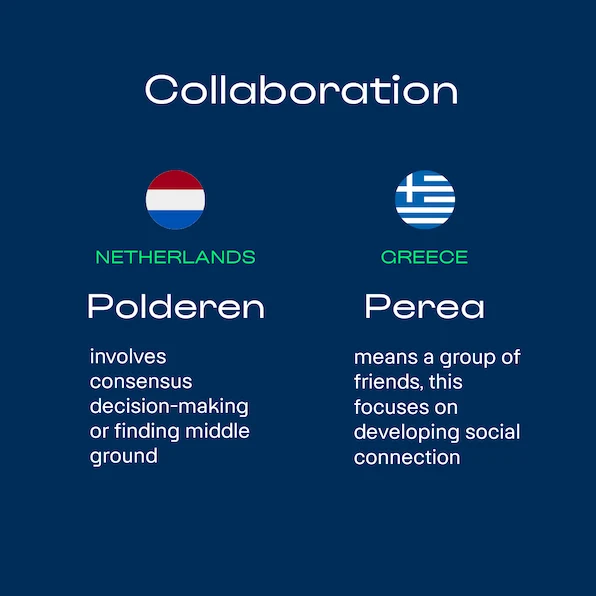
The Dutch Way: The Polder Model
In the Netherlands, teamwork is often about compromise and finding a middle ground—the famous "Polder Model." It’s a structured process where everyone contributes their part to achieve a common, well-defined goal. It's organized, efficient, and task-oriented.
The Greek Way: The Spirit of Parea
In Greece, teamwork feels more like being part of a parea (a group of friends). Collaboration is more organic and social. Colleagues often become good friends, spending time together after work and supporting each other on a personal level. This strong sense of community makes the workplace feel like a second family. This is especially true in multicultural hubs like TTEC, where your team becomes your support system while working abroad Europe.
Work-Life Balance and Time Perception
Netherlands and Greece are European countries with their own charm, but their work-life cultures differ in meaningful ways. How people manage time and balance work with personal life may be one of the clearest contrasts.
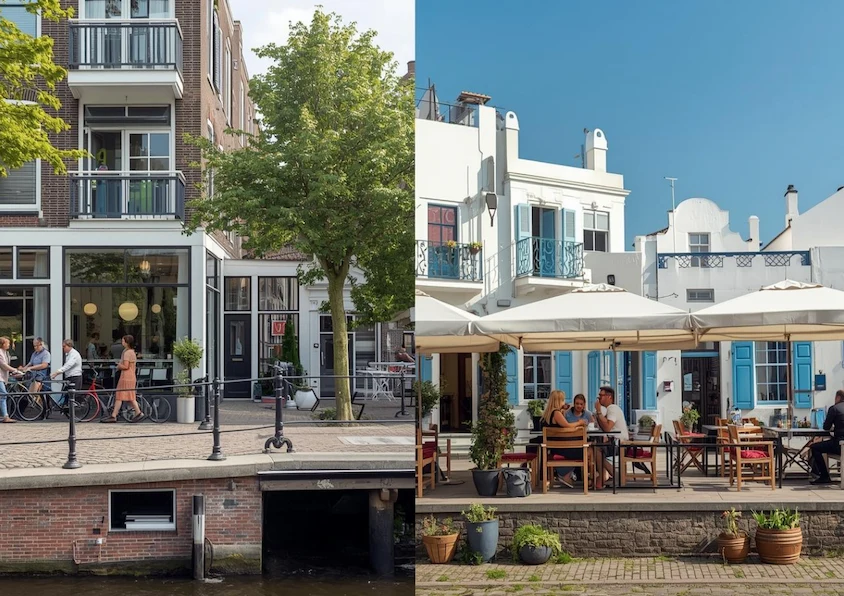
Dutch Punctuality and Clear Boundaries
In the Netherlands, a 9:00 AM meeting starts at 9:00 AM sharp. The workday has a clear beginning and end, and work-life balance means keeping the two separate. You work hard during business hours so you can fully enjoy your personal time without interruption.
Greek Flexibility and Work-Life Integration
In Greece, time is more fluid. A 9:00 AM meeting might start at 9:15 AM, and no one will be too concerned. The workday can be less structured, with coffee breaks being important moments for socializing and building team spirit.
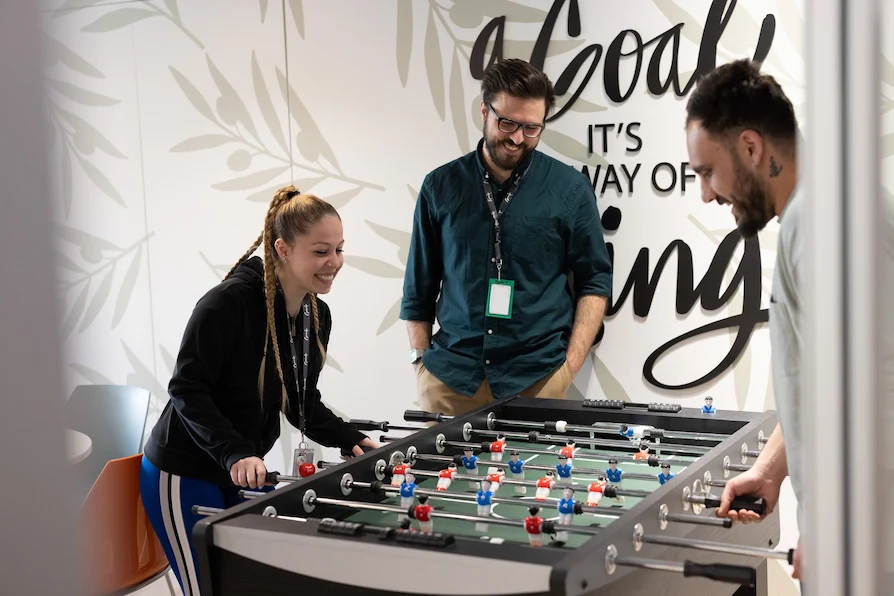
Work-life balance is more about integration. It’s common for colleagues to socialize after hours, and your work life and personal life will naturally blend. This creates a warm, community-focused atmosphere that many expats find incredibly welcoming. Don’t be surprised if your team leader invites the whole team out for dinner!
Join TTEC: A Global Leader in Customer & Employee Experience
TTEC, a customer experience innovator, operates across 6 continents in countries such as Greece, Poland, and India, and employs over 55,000 individuals fluent in 50 languages. Our commitment to excellence is evident in our award-winning culture, highlighted by our 2024 accolades like Top 10 Operations Teams, Silver Certification in MLT’s Black Equity Program, and recognition as one of the UK’s Best Workplaces.
With an employee satisfaction rating of 4.1 out of 5 on JobStreet, we pride ourselves on creating supportive and flexible work environments that enhance both employee and customer experiences. Find a variety of client-facing and business support roles within a company that values community connections.
Explore What's Possible at TTECEmbrace the Adventure with TTEC Greece
Navigating the Dutch vs Greek work culture is a journey of discovery. By being open-minded, observant, and willing to adapt, you'll not only succeed professionally but also have a rich cultural experience. Global employers like TTEC foster inclusive environments where these cultural differences are celebrated as a strength.
TTEC Greece careers offer the perfect opportunity to use your language skills in a supportive, international setting. You’ll be part of a diverse team that understands the challenges of relocating and is there to help you thrive.
Ready to start your new chapter in the sun? Explore our open Dutch speaking jobs in Greece and take the first step toward an exciting new career and life adventure.
Live and work in one of Europe’s most exciting destinations. Find Your Role at TTEC Greece Today!
Frequently Asked Questions (FAQ)
Will my direct Dutch communication style be seen as rude in Greece?
Not necessarily, especially in an international company like TTEC where many cultures work together. However, it's wise to soften your approach. Start conversations with some friendly small talk before getting to business. Framing feedback constructively and with a supportive tone will help you build stronger relationships with your Greek colleagues.
Is it difficult to make friends with Greek colleagues?
Not at all! Greeks are known for their hospitality and warmth. Show genuine interest in their culture, join them for a coffee or lunch, and be open to socializing after work. Your effort to connect on a personal level will be warmly welcomed and will make your experience working in Greece as a Dutch professional much richer. At TTEC Greece, we're also here to help you adopt and adjust in the Greek work culture, so there's no need to worry!
How important is it to learn Greek?
For your job in customer service, you will primarily use Dutch and English. However, learning a few basic Greek phrases like "kalimera" (good morning) or "efcharisto" (thank you) will be greatly appreciated. It shows respect for the local culture and will help you connect with people outside of the office.
Join us and thrive
Your next opportunity starts here. Whether you're actively searching or simply exploring what’s next. our Talent Community connects you with opportunities that align with your goals.